
My Time As An Intern At HVAF
March 3, 2026
Catching Up With Pamela!
March 12, 2026S.A.V.E. a Veteran
Recently, the Department of Veterans Affairs released the 2025 National Veteran Suicide Prevention Annual Report, which sadly reported that during calendar year 2023, 6,398 veterans died by suicide. While this number represents a decrease in the total number of deaths, the Veteran Suicide Rate per 100,000 deaths increased slightly among both male and female veterans to 35.2. For comparison, the suicide rate for non-veterans in 2022 was 17.1 per 100,000 deaths.
In Indiana, 149 Hoosier veterans died by suicide in 2023, a decrease of 24 from 2022. The Veteran Suicide Rate per 100,000 deaths in Indiana decreased to 39.9 from 45.1 the year prior.
I want to pause here and remind us that even though we are looking at data, these numbers represent human lives. Let’s remember that nearly 60% of veterans who died by suicide in Indiana were over the age of 55, 6% were women, and all are missed.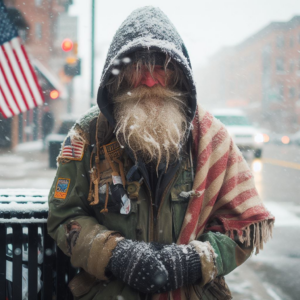
Veterans are approximately 1.5 times more likely to die by suicide than non-veterans. The American Psychological Association reported in 2022 that several factors, including “high exposure to trauma, stress and burnout, isolation and loneliness, easy access to and familiarity with guns, and difficulties reintegrating into civilian life,” contribute to the higher suicide rates for veterans.
VA reports certain groups of veterans have an even higher risk, including veterans who are within 12 months of separating from the military, veterans who have not been seen at a VA Medical Center in the previous year, and veterans facing financial difficulty. In fact, veterans facing homelessness have a 146% higher risk of suicide than veterans who are stably housed.
At HVAF, every veteran enrolled in our housing programs completes a Biopsychosocial Assessment with a case manager that includes an evaluation of suicide risk. Additionally, upon move-in, each veteran is introduced to our Mental Health Team for intensive mental health services if needed. Our Mental Health Team, supervised by a Licensed Clinical Social Worker, consists of 2 therapists and 3 peer mentors who provide individual and family counseling, and group programming to support substance use recovery, anger management, and grief counseling.
As veterans’ friends and family members, we can help prevent veteran suicide. VA suggests strengthening protective factors, such as access to mental health care, strong relationships, and positive coping skills, in addition to safe firearm and medication storage, and extra support during stressful life events, are key to preventing a crisis before it happens.
If you’re interested in free training opportunities, please visit here for What Is the Crisis Response Plan: An Introductory Course for People Who Support Veterans.
We can also ensure we know the steps of suicide prevention:
